

Enterprise reconciliation platforms save time by automating high-volume matching, exception triage, and audit trail generation. Aetherix Systems builds these systems to handle the repetitive work that slows down finance operations. By shifting manual data entry to automated workflows, teams can focus on strategic analysis rather than data cleanup. This shift reduces the time spent on routine tasks significantly. For additional details, review the aetherixsystems com.
The Cost of Manual Reconciliation
Manual reconciliation is a time sink for finance teams. Employees spend hours matching transactions across multiple systems. This process is prone to human error and fatigue. When a team member misses a discrepancy, it can lead to significant financial reporting delays. The cost is not just in hours, but in the opportunity cost of not performing higher-value work. For additional details, review the .
Consider a typical month-end close. A finance team of ten might spend three days just reconciling bank statements. That is thirty person-days of work dedicated to a single task. This time could be better spent on forecasting or strategic planning. The manual process creates a bottleneck that delays the entire close cycle. For additional details, review the Customer Experience.
Automated Matching and Exception Handling
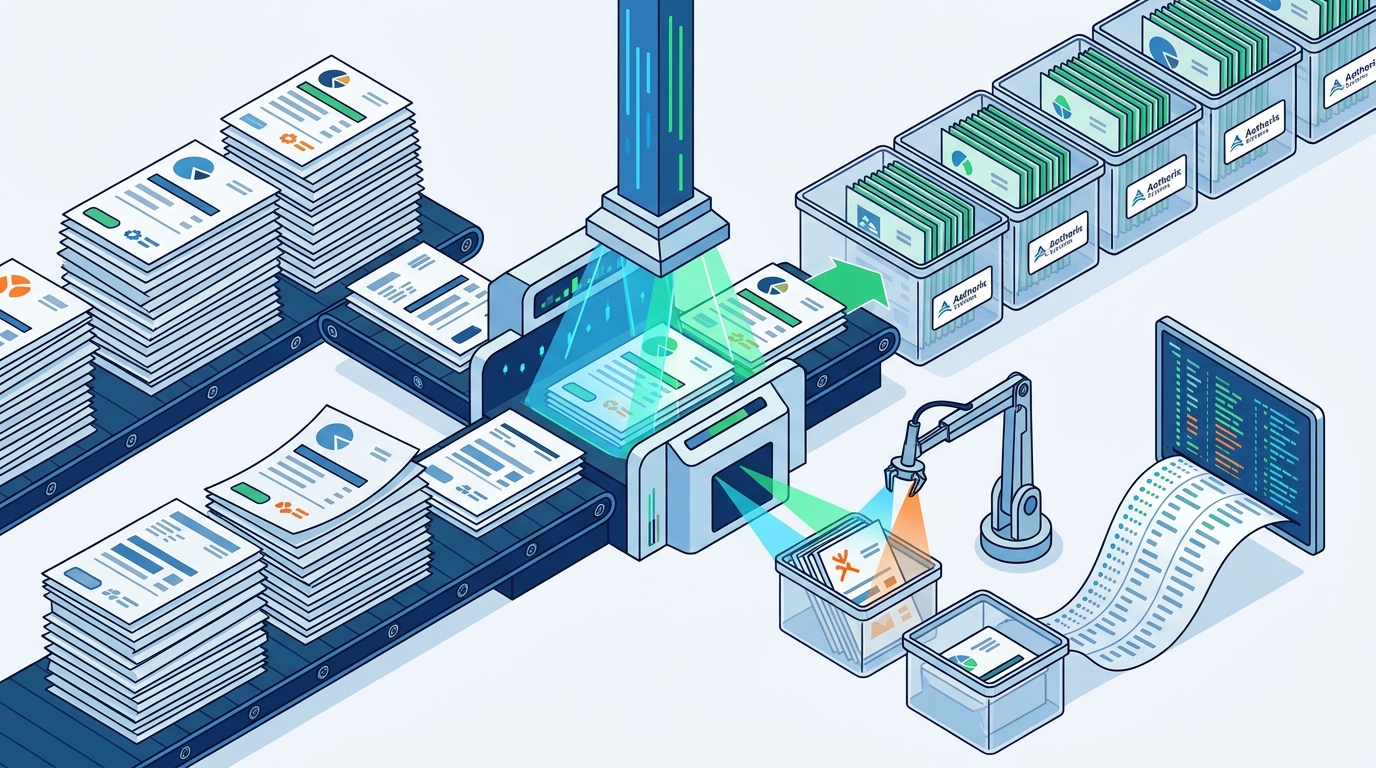
Enterprise platforms use algorithms to match transactions automatically. These systems can handle thousands of records in minutes. They identify matches based on multiple criteria, such as amount, date, and reference number. When a match is not found, the system flags it as an exception. This allows the team to focus only on the items that need human attention. For additional details, review the Frequently Asked Questions.
For example, a platform might match 95% of transactions automatically. The remaining 5% are exceptions that require investigation. This reduces the workload for the finance team dramatically. They no longer need to review every single transaction. They only need to resolve the exceptions. This targeted approach saves significant time and reduces the risk of oversight. For additional details, review the About.
Streamlining the Audit Trail
Every reconciliation action must be documented for audit purposes. Manual processes often result in incomplete or inconsistent documentation. This creates a burden during audit preparation. Enterprise platforms generate a complete audit trail automatically. Every action, from matching to exception resolution, is logged. This makes audit preparation faster and more efficient.
A complete audit trail also improves compliance. It provides a clear record of who did what and when. This is essential for meeting regulatory requirements. It also helps in identifying process improvements. By analyzing the audit trail, teams can spot patterns and inefficiencies. This continuous improvement cycle saves time in the long run.
Integrating with Existing Systems
For instance, a platform might integrate with a bank API to pull transaction data. It then matches this data against the ERP records. This automated data flow eliminates the need for manual file imports and exports. It reduces the risk of data entry errors. It also speeds up the reconciliation process. The result is a more efficient and accurate financial operation.
Key Takeaways
- Manual reconciliation is a major time sink for finance teams.
- Automated matching reduces the volume of transactions requiring human review.
- Exception handling allows teams to focus on high-value tasks.
- Automated audit trails streamline compliance and audit preparation.
- Seamless system integration eliminates manual data entry and errors.
- Enterprise platforms enable continuous process improvement through data analysis.
Frequently Asked Questions
How much time can an enterprise reconciliation platform save?
The time saved depends on the volume of transactions and the complexity of the reconciliation process. In general, automated platforms can reduce the time spent on reconciliation by 50% to 80%. This allows finance teams to focus on strategic work.
What types of transactions can be reconciled automatically?
How does an enterprise platform handle exceptions?
Exceptions are flagged and routed to the appropriate team member for review. The platform provides context and suggestions for resolution. This helps the team member resolve the exception quickly and accurately.
Can an enterprise platform integrate with our existing ERP?
Yes, enterprise platforms are designed to integrate with a wide range of ERPs and other financial systems. Aetherix Systems builds custom integrations to connect with your specific systems. This ensures seamless data flow and accurate reconciliation.
How does an enterprise platform improve compliance?
Enterprise platforms generate a complete audit trail of all reconciliation actions. This makes it easier to demonstrate compliance with regulatory requirements. It also helps in identifying and addressing process gaps.
What is the role of human oversight in an automated reconciliation process?
Human oversight is essential for resolving exceptions and ensuring accuracy. The platform handles the routine work, while humans focus on the complex or unusual items. This hybrid approach combines the speed of automation with the judgment of human expertise.
Conclusion
Enterprise reconciliation platforms are a powerful tool for saving time in finance operations. They automate the repetitive tasks, streamline the audit trail, and integrate with existing systems. Aetherix Systems provides these solutions to help finance teams work more efficiently. By adopting an enterprise platform, you can free up your team to focus on strategic initiatives. to learn more about how we can help your organization. Learn more: aetherixsystems com.