

Finance teams use AI to reconcile prime broker positions by automating data ingestion, matching trades across custodians, and flagging exceptions for human review. Aetherix Systems builds these agentic workflows to handle the complexity of multi-broker environments. This approach reduces manual effort while maintaining strict audit trails for every automated action. For additional details, review the aetherixsystems com.
The Complexity of Multi-Broker Reconciliation
For example, a fund administrator might track equity positions across three different prime brokers. Each broker sends end-of-day reports in unique formats. An AI system parses these files, maps the data to a common schema, and compares the positions. If a trade is missing from one broker's report, the system flags it immediately. This reduces the time spent on data cleaning and allows analysts to focus on resolving genuine exceptions. For additional details, review the .
Agentic Workflows vs. Rules-Based Engines
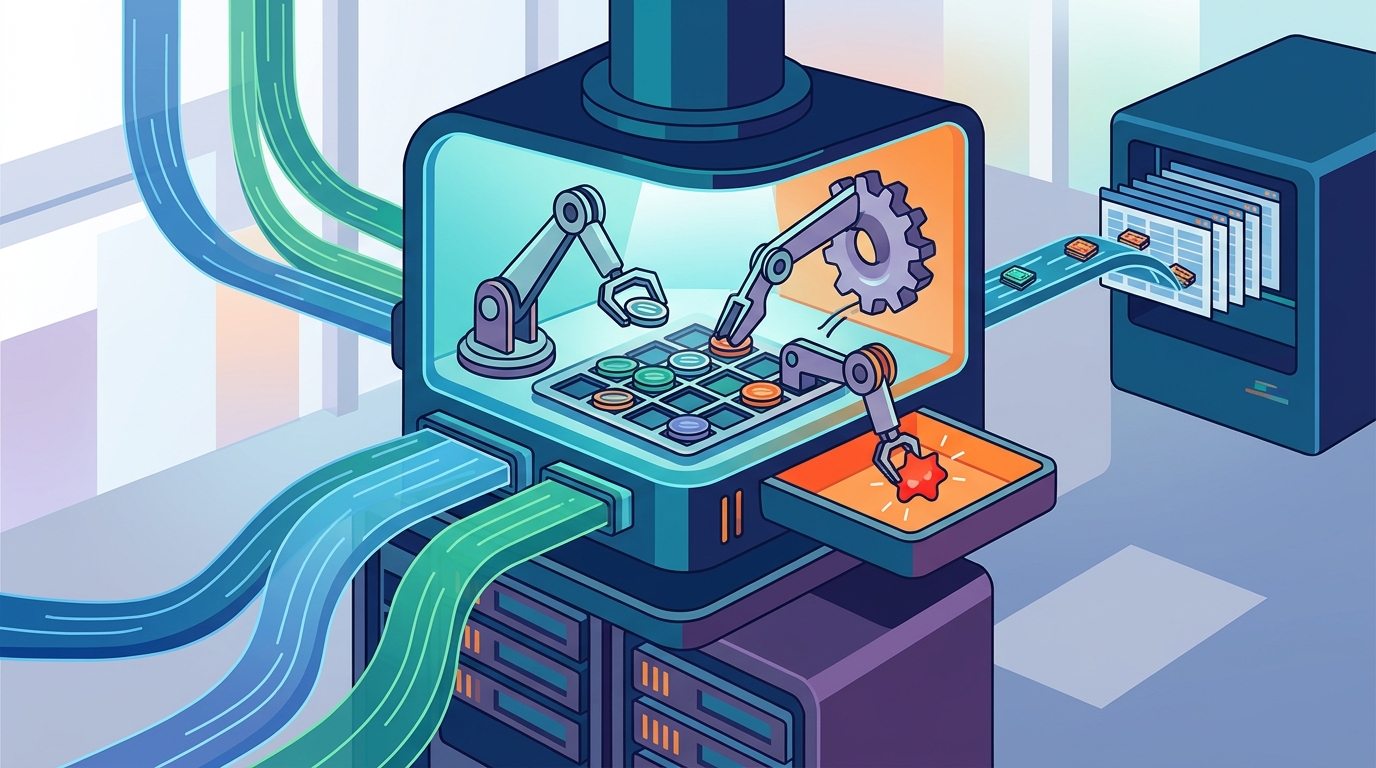
Traditional reconciliation tools rely on static rules. These rules match data based on fixed criteria, such as trade date and symbol. When data does not match perfectly, the tool flags it as an exception. However, these tools cannot investigate the cause of the mismatch. Agentic AI systems go further by investigating exceptions autonomously. They can query other data sources, check settlement status, and propose resolutions. For additional details, review the Customer Experience.
Researchers at Vlerick Business School have noted that finance leaders are moving toward hybrid models where AI assists human decision-making. Harvard Business Review reports that this shift allows teams to handle higher volumes of transactions without proportional headcount increases. In practice, an AI agent might detect a position mismatch and then check the broker's API for pending settlements. If the settlement is in progress, the agent marks the exception as "pending" rather than "error." This context-aware processing reduces false positives and streamlines the review process. For additional details, review the Frequently Asked Questions.
Handling Exceptions and Audit Trails
At Aetherix Systems, our agents propose journal entries for discrepancies, but a named client employee posts them. This human-in-the-loop design ensures accountability. The AI does not act as a fiduciary or sign off on financial statements. Instead, it prepares the necessary documentation for human review. This approach aligns with regulatory expectations for transparency and control. For instance, if a cash position differs between two brokers, the AI generates a detailed report showing the calculation steps. The finance manager reviews this report and approves the adjustment. This maintains the integrity of the books while leveraging AI efficiency. For additional details, review the About.
Integration with Existing Finance Stacks
For example, a family office might use a legacy ERP for its general ledger and a cloud-based platform for trade management. The AI reconciliation layer sits between these systems, pulling data from both. It normalizes the data and performs the reconciliation. The results are then pushed back to the ERP for journal entry posting. This integration ensures that the reconciliation process does not disrupt existing workflows. It also allows finance teams to maintain their current technology investments while adopting AI capabilities.
Key Takeaways
- AI reconciliation platforms automate data ingestion and matching across multiple prime brokers.
- Agentic systems investigate exceptions autonomously, reducing false positives and manual review time.
- Human-in-the-loop design ensures that AI proposes actions, but humans approve and post them.
- Comprehensive audit trails document every AI action, supporting compliance and regulatory requirements.
- Integration with existing ERPs and custodian systems is critical for seamless adoption.
- Data residency and security standards, such as ISO 27001, are essential for enterprise AI deployments.
Frequently Asked Questions
How does AI handle mismatches in prime broker positions?
AI systems detect mismatches by comparing normalized data from multiple brokers. They then investigate the cause by querying additional data sources, such as settlement status or trade confirmations. The system proposes a resolution, which a human reviewer approves before posting.
Can AI replace manual reconciliation entirely?
No, AI augments manual reconciliation by handling routine matching and data cleaning. Human reviewers are still required to approve exceptions and post journal entries. This hybrid approach ensures accuracy and accountability.
What data sources do AI reconciliation platforms use?
These platforms use data from prime brokers, custodians, ERPs, and general ledgers. They may also access market data feeds and settlement systems. The specific sources depend on the client's technology stack and business needs.
How does Aetherix Systems ensure data security?
What is the role of human oversight in AI reconciliation?
Human oversight is critical for approving exceptions and posting journal entries. AI agents propose actions based on their analysis, but a named client employee must review and approve these actions. This ensures that no automated action is taken without human accountability. according to Human Oversight for
Conclusion
Finance teams are increasingly adopting AI to manage the complexity of multi-broker reconciliation. By automating data matching and investigating exceptions, AI platforms reduce manual effort and improve accuracy. Aetherix Systems provides these agentic workflows with a focus on audit-ready automation and human oversight. To explore how AI can transform your reconciliation process, contact Aetherix Systems for a consultation. Learn more: aetherixsystems com.